
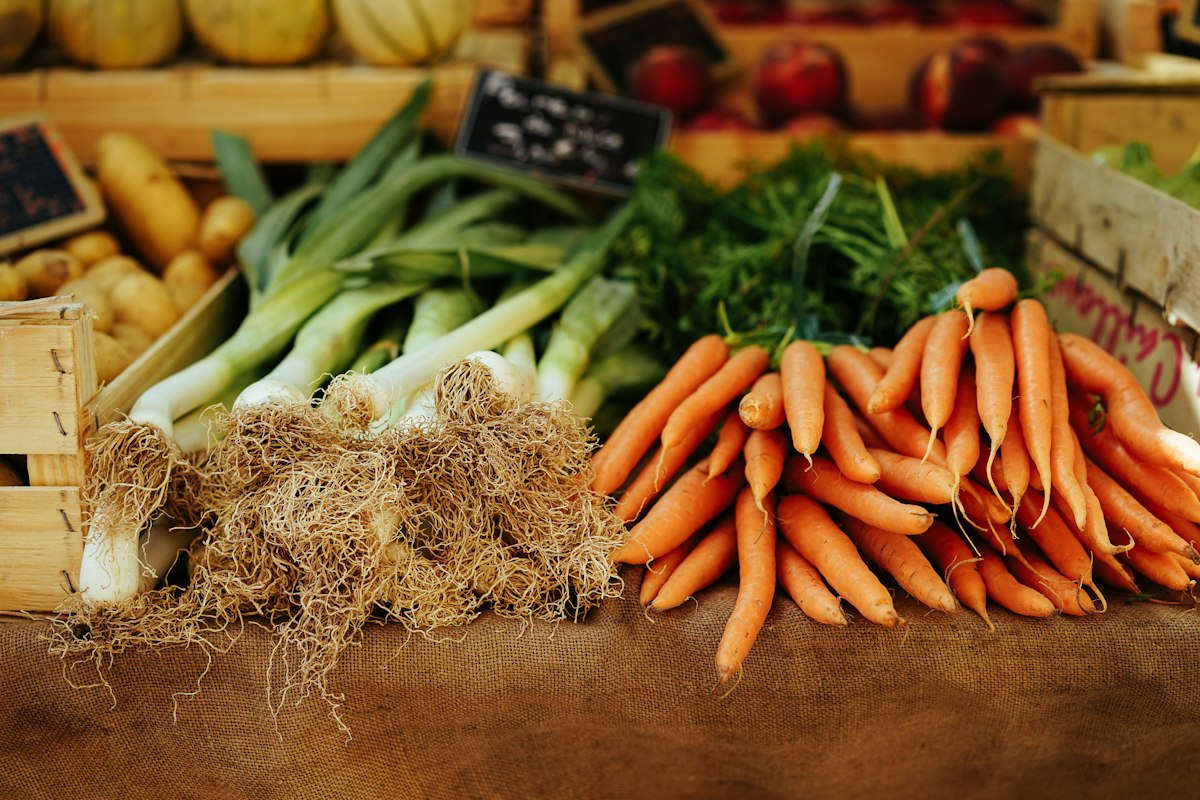
NGO partnerships for food and beverage companies span the full value chain — from smallholder farmer cooperatives in production countries to food bank networks distributing surplus products to food-insecure households in Europe. The sector's NGO ecosystem is correspondingly diverse: international development organisations working on agricultural livelihoods, European food poverty NGOs, nutrition and public health organisations, and environmental NGOs focused on sustainable agriculture. Effective food company CSR strategies map this NGO landscape deliberately — selecting partners that address the company's most material social and environmental issues, not just the most visible ones.
Moving Beyond Surplus Donation
Food bank partnerships — donating unsold or surplus food to redistribution networks — are the most common CSR activity in the food sector. They serve an important social function, but they address a symptom (food insecurity) rather than a cause (income inadequacy, food system failures). Companies that position food bank partnerships as their primary CSR activity are applying a narrow lens to a broad challenge. The most credible food sector CSR programmes treat surplus donation as one component of a portfolio that also includes investment in supply chain livelihoods, sustainable agriculture, and community nutrition access.
Free Resource
Get Enable Good's guides in your inbox
Practical sustainability know-how, no spam. Or jump straight to the free readiness tools.
Smallholder Farmer Livelihood Partnerships
For companies sourcing from tropical commodity chains — cocoa, coffee, tea, palm oil, sugar — NGO partnerships focused on smallholder farmer livelihoods are both the most material CSR investment and the most strategically important for long-term supply security. Effective livelihood partnerships combine: agronomic training delivered by NGO agricultural extension services, input access programmes (seeds, fertilisers, tools), market linkage support that connects farmers to better-paying buyers, and savings and credit facilitation through village-based finance groups. Organisations such as Rainforest Alliance, Solidaridad, and CARE International have extensive experience in designing and delivering these programmes.
Community Nutrition Access Programmes
For food companies with consumer-facing brands, partnerships with NGOs addressing nutrition access in low-income communities combine social impact with brand relevance. Effective programmes include: subsidised meal provision through community centre and school partnerships, food literacy and cooking skills programmes that help low-income families maximise nutritional value, and community vegetable garden projects that provide fresh produce in food deserts. The key to credible nutrition CSR is demonstrating that programmes genuinely improve nutritional outcomes — not just that they distribute food — which requires investment in programme design and impact measurement.
Partnership Selection and Due Diligence
- Assess NGO track record in the specific geography and with the specific beneficiary group relevant to your supply chain
- Verify that the NGO's theory of change is evidence-based and that it collects meaningful outcome data
- Check alignment between the NGO's values on corporate partnerships and your company's approach
- Conduct financial due diligence — an NGO unable to manage a large corporate grant is a reputational risk
- Agree on outcome-based reporting requirements from the outset
- Build in a joint evaluation at year two to assess whether the partnership is generating the intended impact